What Is Subcision?
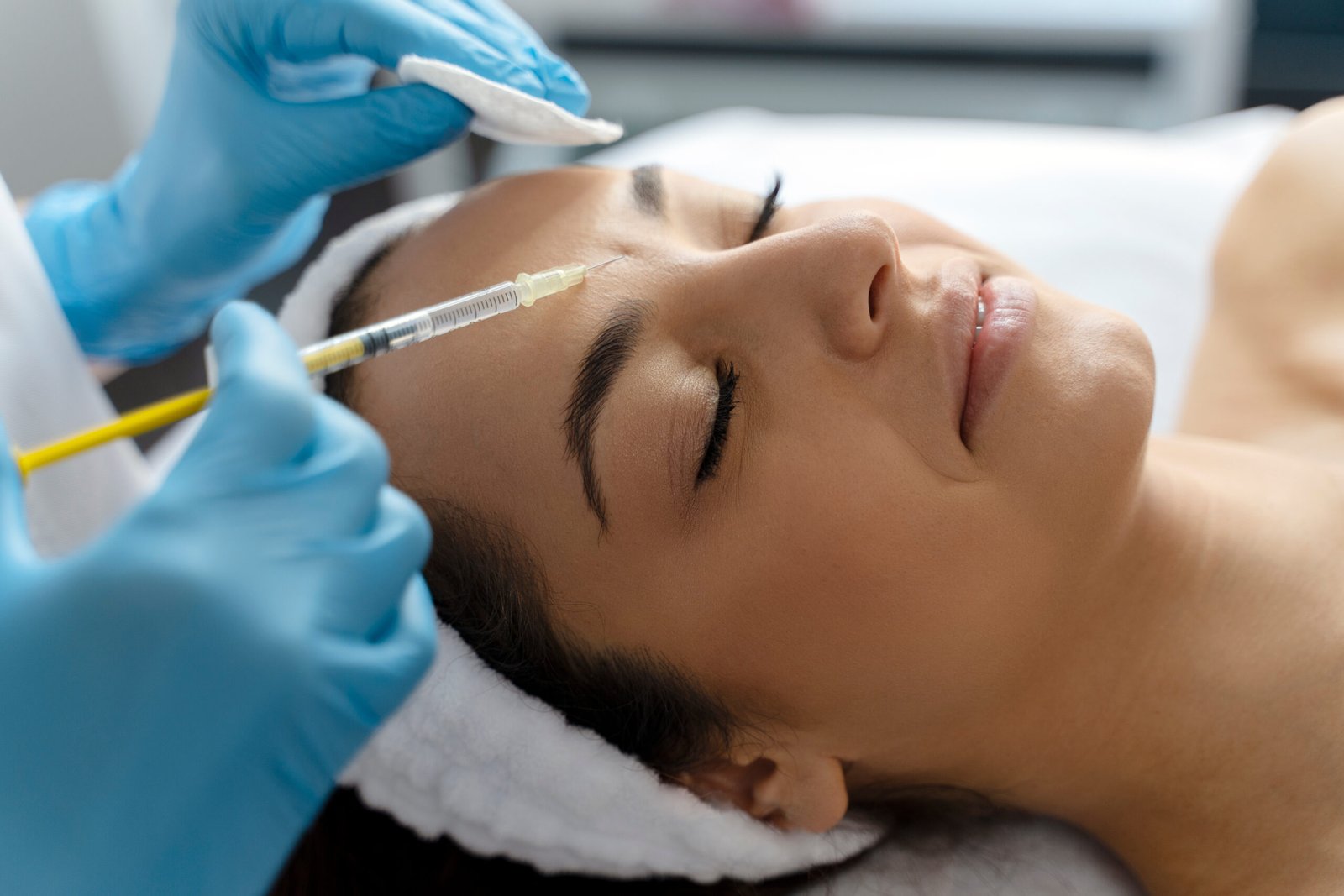
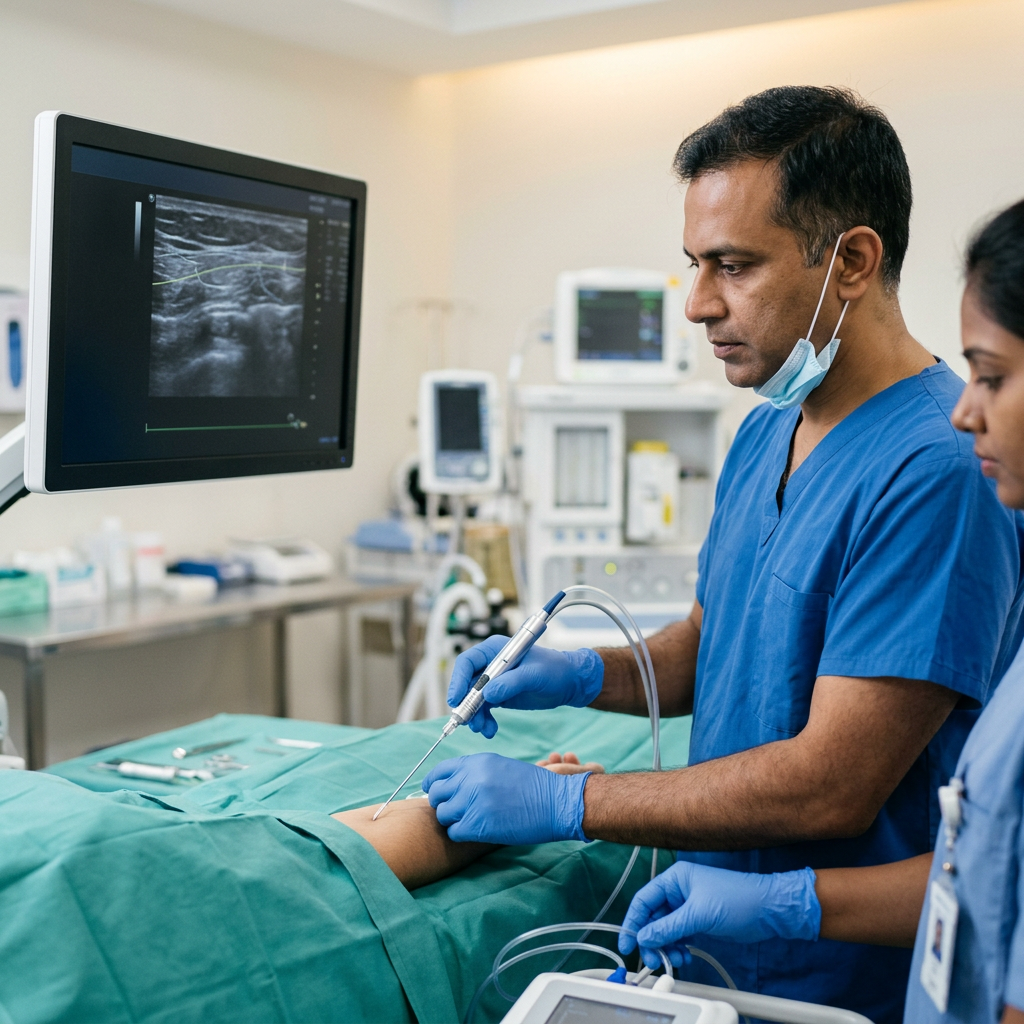
Subcision (subcutaneous incisionless surgery) is a procedure in which a specialised medical instrument is used to release fibrous bands beneath depressed scars. These fibrous attachments pull the skin downward, creating visible indentations.
By releasing these bands, subcision aims to allow the skin surface to lift gradually and remodel over time as healing occurs.
Subcision does not remove scars completely and does not work for all scar types.
At Bare & Beauty Aesthetic and Wellness, subcision is offered as a minor surgical dermatological procedure for selected types of depressed scars, particularly certain acne scars. It is performed only after in-person consultation, detailed scar assessment, and informed consent, with a focus on safety, appropriateness, and realistic outcomes.
Subcision is not suitable for all scars and is recommended strictly based on scar type, depth, and skin condition.
Scar Concerns Commonly Assessed for Subcision
After medical evaluation, subcision may be considered for:
Rolling acne scars
Certain depressed or tethered scars
Long-standing scars with fibrotic attachment
Scars that have not responded adequately to superficial treatments
Subcision is not suitable for ice-pick scars, raised scars, or keloids.
Who May Not Be Suitable
Subcision may not be recommended for individuals who:
-Have active acne, infection, or inflammation in the treatment area
-Have bleeding disorders or are on certain medications
-Are prone to abnormal scarring
-Expect complete scar removal or guaranteed results
Final suitability is determined only after in-person medical consultation.
Frequently Asked Questions
Who May Be Suitable for Subcision
Subcision may be considered for individuals who:
-Have depressed, tethered scars
-Are medically fit for minor dermatological procedures
-Have realistic expectations regarding scar improvement
-Understand that results are gradual and variable
Safety, Risks & Consent
Subcision at Bare & Beauty:
-Is performed by trained medical professionals
-Follows dermatological safety protocols
-Requires informed patient consent
-Does not guarantee results
Possible bruising, swelling, downtime, limitations, and alternative treatments are discussed during consultation.