
Understanding Chemical Peels
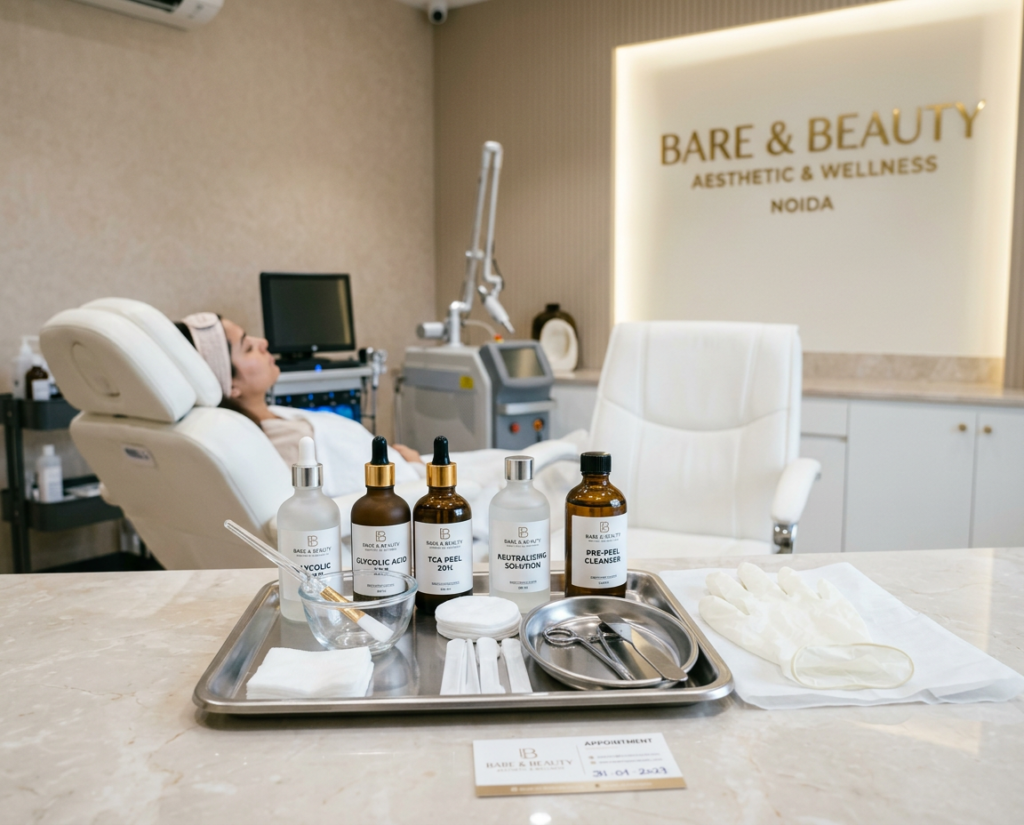
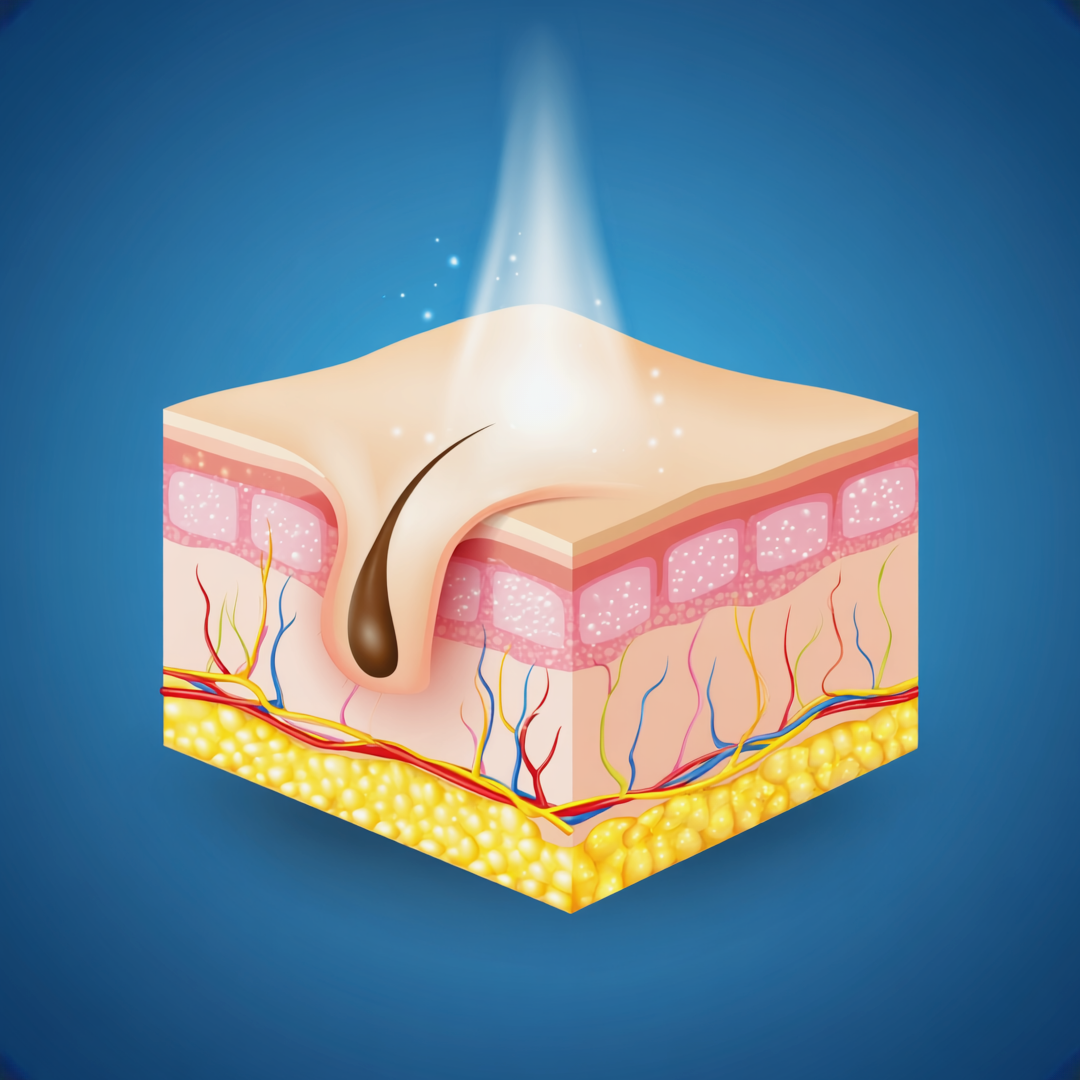
A chemical peel involves the application of a clinically formulated peeling agent to the skin to remove damaged outer layers and stimulate regeneration.
Chemical peels can help address:
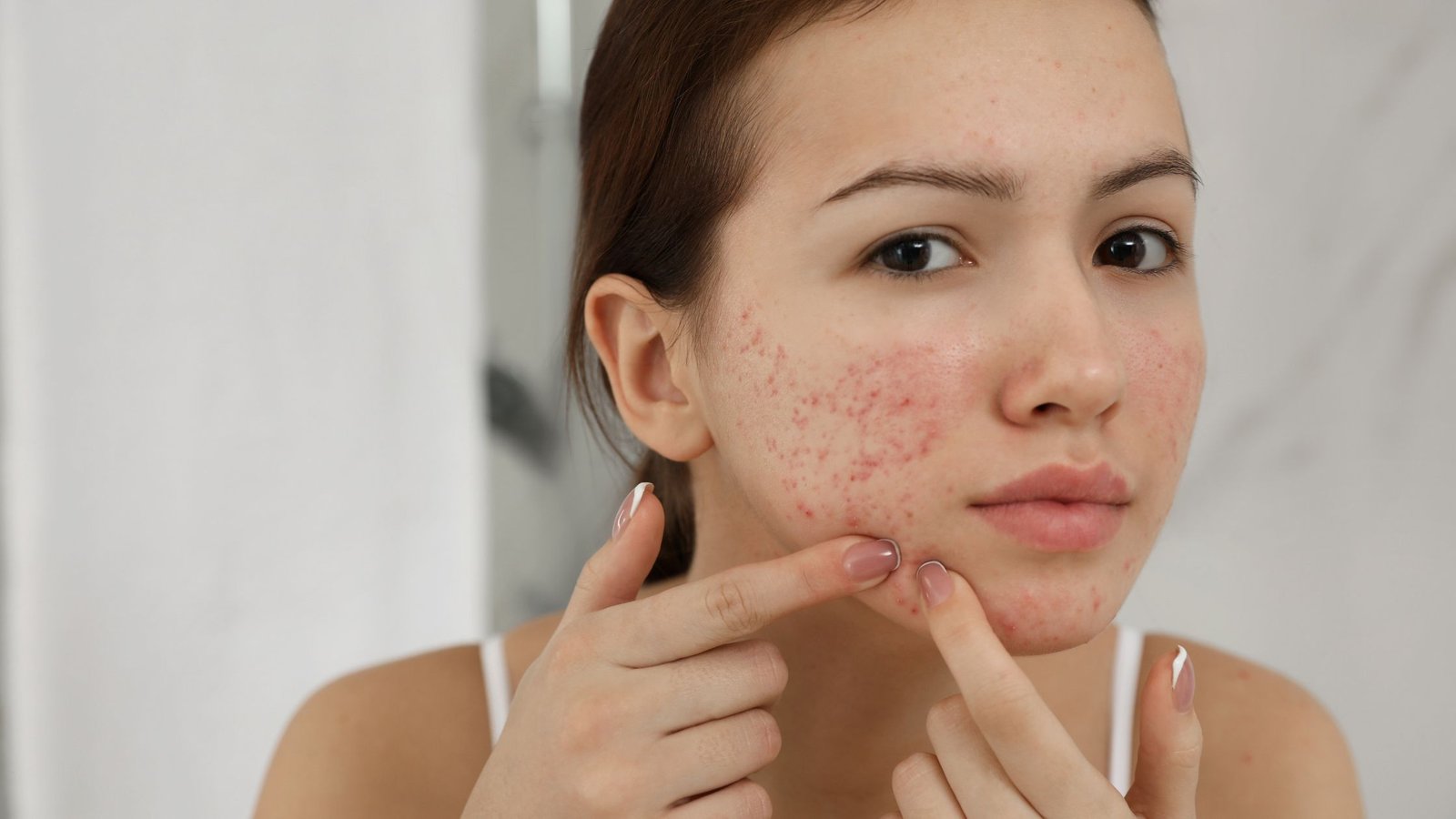
–Acne and acne-prone skin
–Pigmentation and uneven skin tone
–Post-acne marks
-Dull or rough skin texture
–Early signs of ageing
The depth and strength of the peel determine its effect and recovery, which is why professional evaluation is essential.
Technology & Clinical Support Used
Chemical peels at Bare & Beauty are supported by:
-Medical-grade peel formulations
-Controlled application systems
-Structured dermatology protocols
-Professional post-procedure monitoring
Technology and products are chosen for safety, predictability, and skin compatibility.
Who May Be Suitable for Chemical Peels
Chemical peels may be suitable for individuals who:
–Have acne, pigmentation, or uneven skin tone
-Experience dull or rough skin texture
-Want medically guided skin rejuvenation
-Understand that results are gradual and variable
Frequently Asked Questions
Who May Need Caution or Alternative Care from Chemical Peels
Chemical peels may need modification or postponement for individuals who:
-Have very sensitive or inflamed skin
-Have active skin infections or wounds
-Are pregnant or breastfeeding (for certain peel agents)
-Have a history of post-inflammatory hyperpigmentation
These factors are carefully evaluated during consultation.
Expected Outcomes & Treatment Timeline
-Skin improvement is usually progressive, not instant
-Multiple sessions may be recommended
-Mild peeling or flaking may occur depending on peel depth
-Maintenance care is often advised
Results vary between individuals. No outcomes are guaranteed.
Safety, Risks & Consent
-Chemical peels are medical procedures, not cosmetic facials
-Temporary redness, peeling, dryness, or sensitivity may occur
-Risks and limitations are explained clearly in advance
–Informed consent is mandatory before treatment
-No peel is performed without proper medical evaluation.